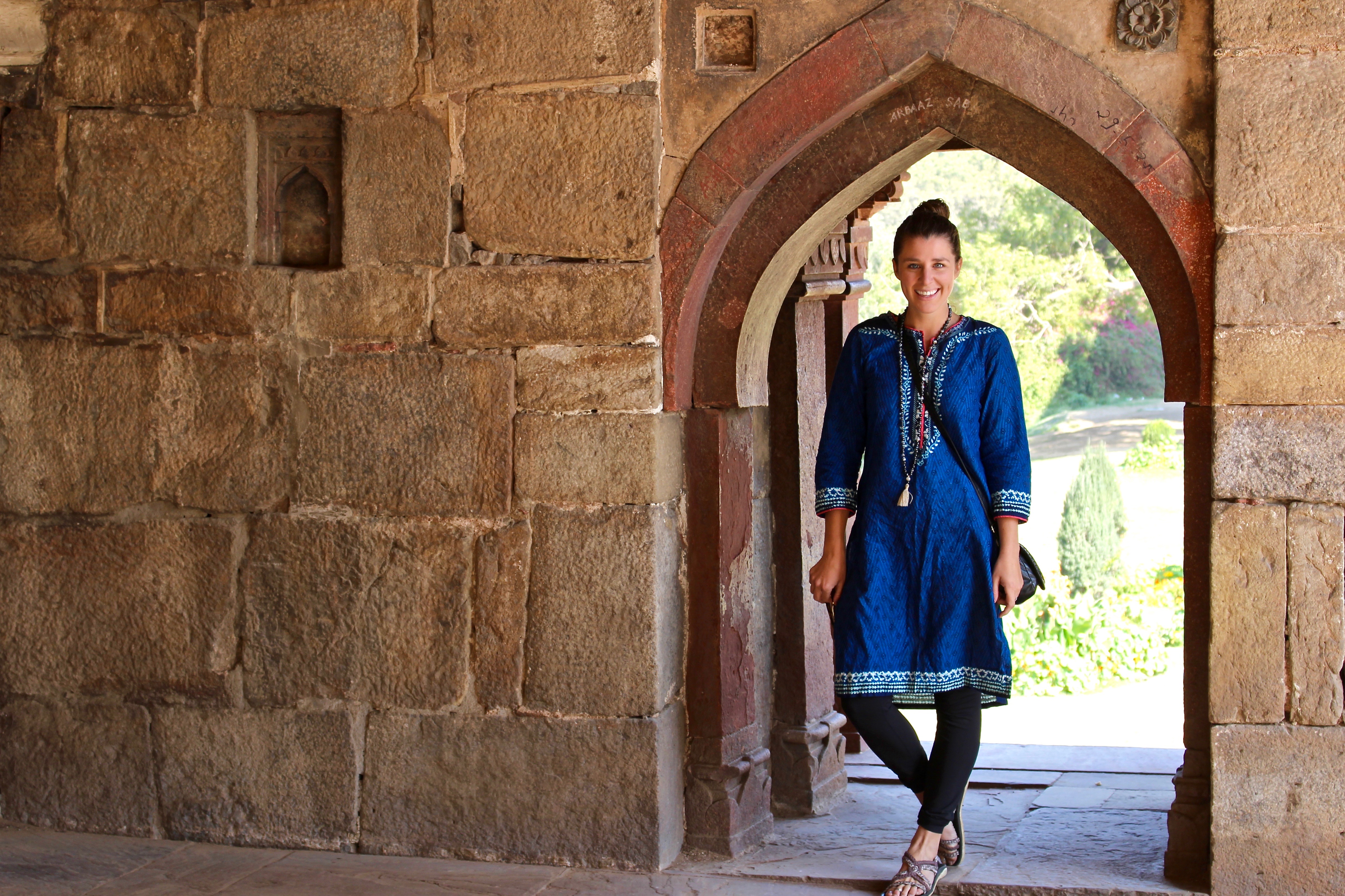
When we are children, we view the world with such wonder, awe, and curiosity. We want to know how things are the way the are, the way they work, and why, Why, WHY. Luckily for me, I had very patient parents that answered (or redirected) my incessant questions and cultivated my curiosity instead of stifling it. As we grow older, though, this innate inquisitiveness transforms and we depart from questions like, “Why is the grass green?” for deeper inquiries like, “Why are we here?”
The more I’ve learned, traveled, and met new people, the more I’ve pondered this question. Humans are indeed a remarkable species in the animal kingdom. We’ve made amazing discoveries, accomplished great feats, and changed the world distinctly (for better or worse) from its natural state. Humans are also remarkable amongst other animals for more sinister reasons, like perpetrating unfathomable acts of evil, waging wars of prolific magnitudes, and devastating the very lands that give us life. This presence of light and dark in the world that we gain more exposure to and understanding of as we grow definitely complicates the picture surrounding that eternal question – why are we here?
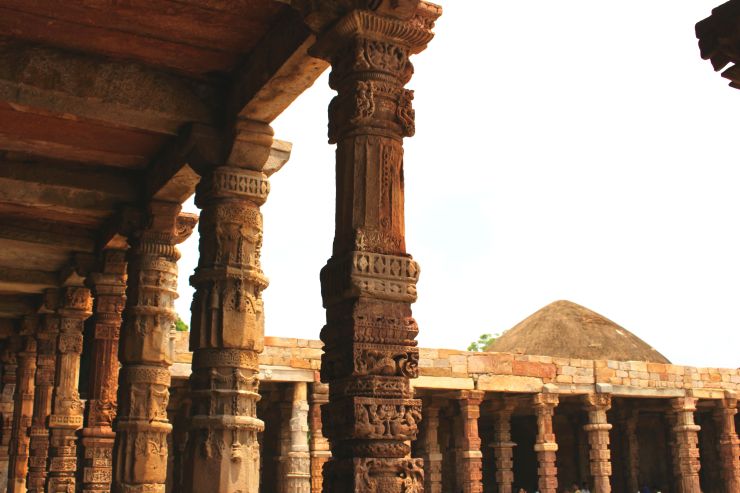
Though heavy questions like this have been floating through my mind a lot lately (thanks researcher brain), I thought an escape from these deep ponderings in favor of more light-hearted experiences would serve me well. With some great friends in tow, I set out to explore the capital of India – New Delhi – as well as the historically enchanting cities of Agra and Jaipur, bringing us closer to pieces of the human narrative and to each other.
With the journey beginning in New Delhi, I first became witness to one of the great tragedies of modernity. Many of the historical sites we visited seemed to be in a state of rampant neglect, either from weather and time or the encroachment of new buildings. This neglect meant there were very little security staff, though, so while it is absolutely a sadness to see these buildings falling by the wayside, it was also an opportunity to explore places normally off-limits. Wandering close to the decaying walls and crumbling steps gives you a deeper appreciation for the magnitude and precision of the engineers of the past and it allowed me to feel deeply connected to times, ages, and people long forgotten.

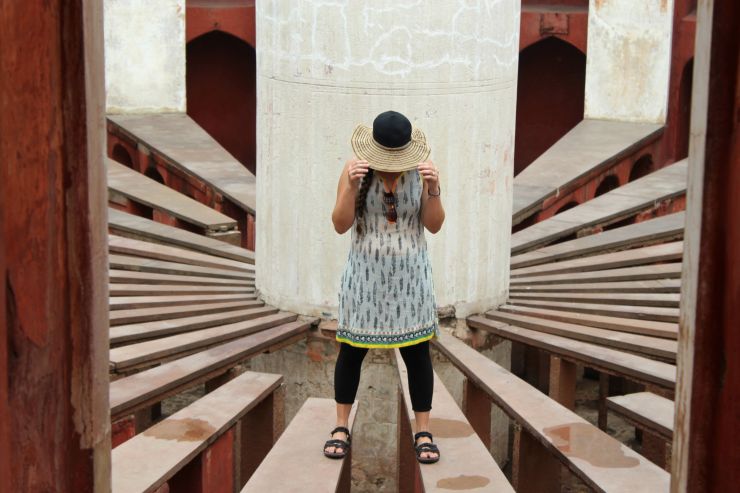

Luckily now, there are numerous ongoing projects to restore these sites in Delhi for their historical value – as well as their value to the economy for tourism – which hopefully means these pieces of ancient history who tell stories of power and loss, love and subjugation, reverence and war, will be there to inspire the curiosity and awe of another generation (perhaps with more security staff to keep people like me from venturing where they shouldn’t).
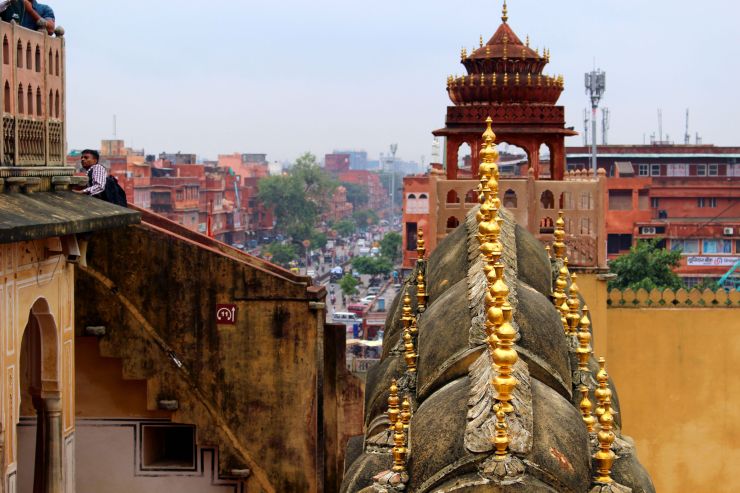
In Agra and Jaipur, the monuments were similarly breathtaking, but far better preserved. This meant that we were not lone explorers in these complexes, but rather small waves amongst a sea of eager visitors. People from all over the world flocked alongside us to these and other sites to have the chance to see with their own eyes these relics of the past.
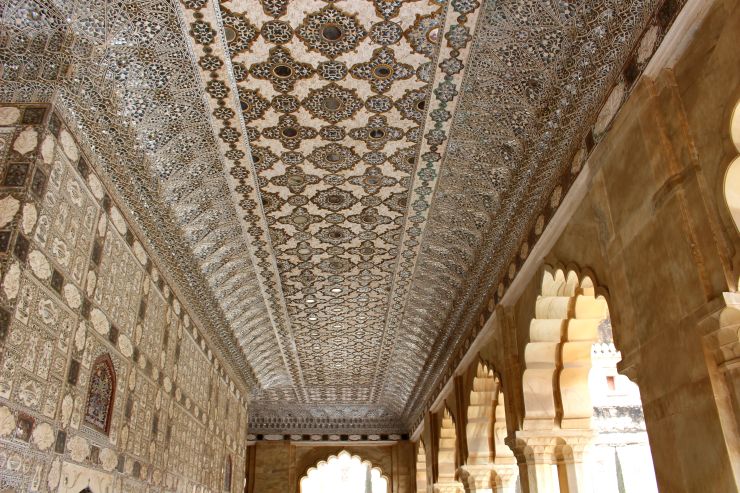
For me though, this journey was much less about seeing with my own eyes.
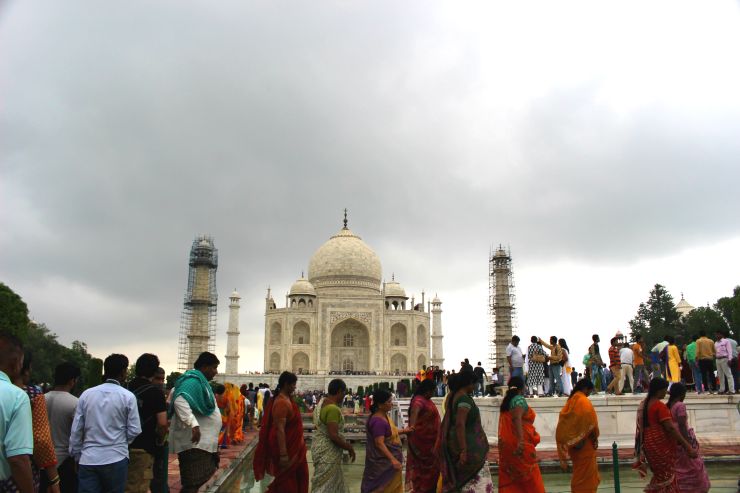
Throughout the journey, from the extravagant temples to the demure and crumbling walls of a bygone era to sharing stories over a meal with my companions, I couldn’t help but feel called outside of myself to experience the world anew. At the Taj Mahal, I saw through the eyes of a king who mourned the loss of his great love, as well as through the eyes of one of the 22,000 slaves whose hands, sweat, and blood built that tomb. In Jaipur, I saw through the eyes of the elephants whose labor is purely for the amusement of tourists and through the eyes of the artisans whose skill brought the fortresses from simply prolific to delicate and ornate. I was also lucky enough to see through the eyes of my friends, who have each shared a piece of themselves with me and allowed me to connect more deeply with what it means to be human.


While we prepared to leave the historic sites and head back to our respective day-to-day lives, I could not help but feel I was something more than myself. I felt alive and buzzing with an infinite energy that connected me to everything I had just experienced: all the people who had walked the same halls, breathed the same air, and labored in those same soils that dirtied my feet. By the time I said goodbye to my friends and boarded the plane home, I just felt this inexplicable admiration and thankfulness for the world outside myself, in all its lightness and darkness.
Was it the energy of the places in which I spent 4 days dwelling? Was it something I had gained from the people I journeyed with? Was it the sleep deprivation?
Inexplicable as it was, it brought me again back to the question I often find myself pondering – why are we here?
Ever since I started my master’s program, I have been experiencing my world through this filter of connectivity. In the classroom, we have explored rigorously some of the biggest problems facing our planet – poverty, climate change, water security – and the more we learned about the causes of these problems, the more I understood that causes, problems, solutions, and outcomes are all deeply connected to each other in profoundly complex ways.
This filter has traveled with me outside the classroom now, too. It’s guided me in my research to recognize the meaningful connections between humans and our environment. It’s let me connect to the people whose untold stories, both past and future, cannot be known to me. It has let me experience life more fully and compassionately with friends, new and old, as we tie ourselves to each others’ stories.
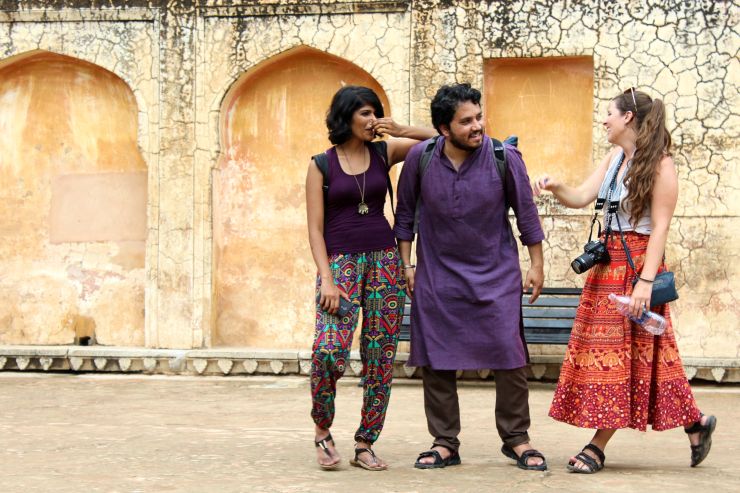
While I do not know the answer to the question, “Why are we here?” what I do know is connectivity in part defines our humanity. It’s responsible for our relationships, both concrete and spiritual. It’s responsible for our perceptions of good and evil and our sense of justice – where we see the light and the dark in our world. It’s at the very core of the development of cognizant life on earth as we are made unique in our unparalleled ability to explore our connections in dialogue and music and introspection and metaphor and art.
When we are young, we question and seek vigorously to know the answers to questions surrounding connectivity: the connection between parts, the relationship between cause and effect, between chlorophyll and our perception of the color green. As we become older, we simply start to accept the unknown, noting it as too complex and moving on in complacent patterns that leave us hungry. This means we never really know the true extent of our connections and we are never fully satiated that we’re living lives of meaning.
But we shouldn’t give up that childlike curiosity. Our undeniable human dimension of connectivity – to each other, to the natural world, perhaps even to something more universal – enables us to step beyond ourselves in order to situate our existence in the bigger picture. In seeing the world through this filter and in attempting to dive into the complexities of our connections, I know that I’ve been able to live a life with deeper meaning, more love, truer happiness, and sincere compassion.
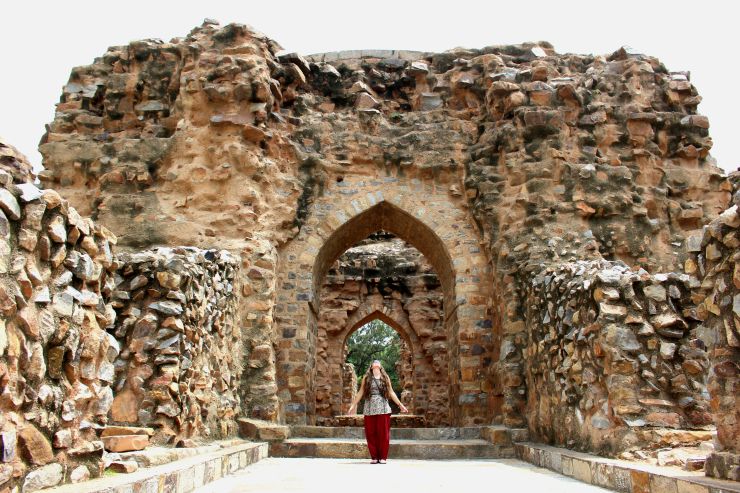
Instead of isolating ourselves under the guise of work or the family unit, we should embrace the questions and the connections. Go. Wander. Question. Seek out answers, create stronger bonds, venture out to see things that inspire your awe, and engage in the kind of dialogues that bring us closer to being able to answer questions like, “Why are we here?”
While we journey closer to answers by embracing the connectivity that pervades our planet and galaxy, we also journey closer to each other and realizing the kind of future we want to create. In recognizing the interconnectedness of our world, we honor the role we play in creating the light and the dark in our world through, notably through our actions and inactions.
What is the meaning of life? Why are we here? Are humans a chosen race or just another species among many on Earth?
I mean… Who the hell knows, right?
But not knowing doesn’t have to hold us back from purposeful living and pursuing the most out of life. Not knowing doesn’t have to keep us from realizing the truth of humanity’s part in connectivity on this planet. And not knowing doesn’t have to limit our role in defining the trajectory for our future.
The light in me honors and bows to the light in you and in all the world.
Namaste.
Dani
 dani lindamood
Dani, although you are on the other side of the world from us, I am very happy that we have a firm sense of connection with you. We have great love and admiration for who you are. Keep asking…
LikeLike