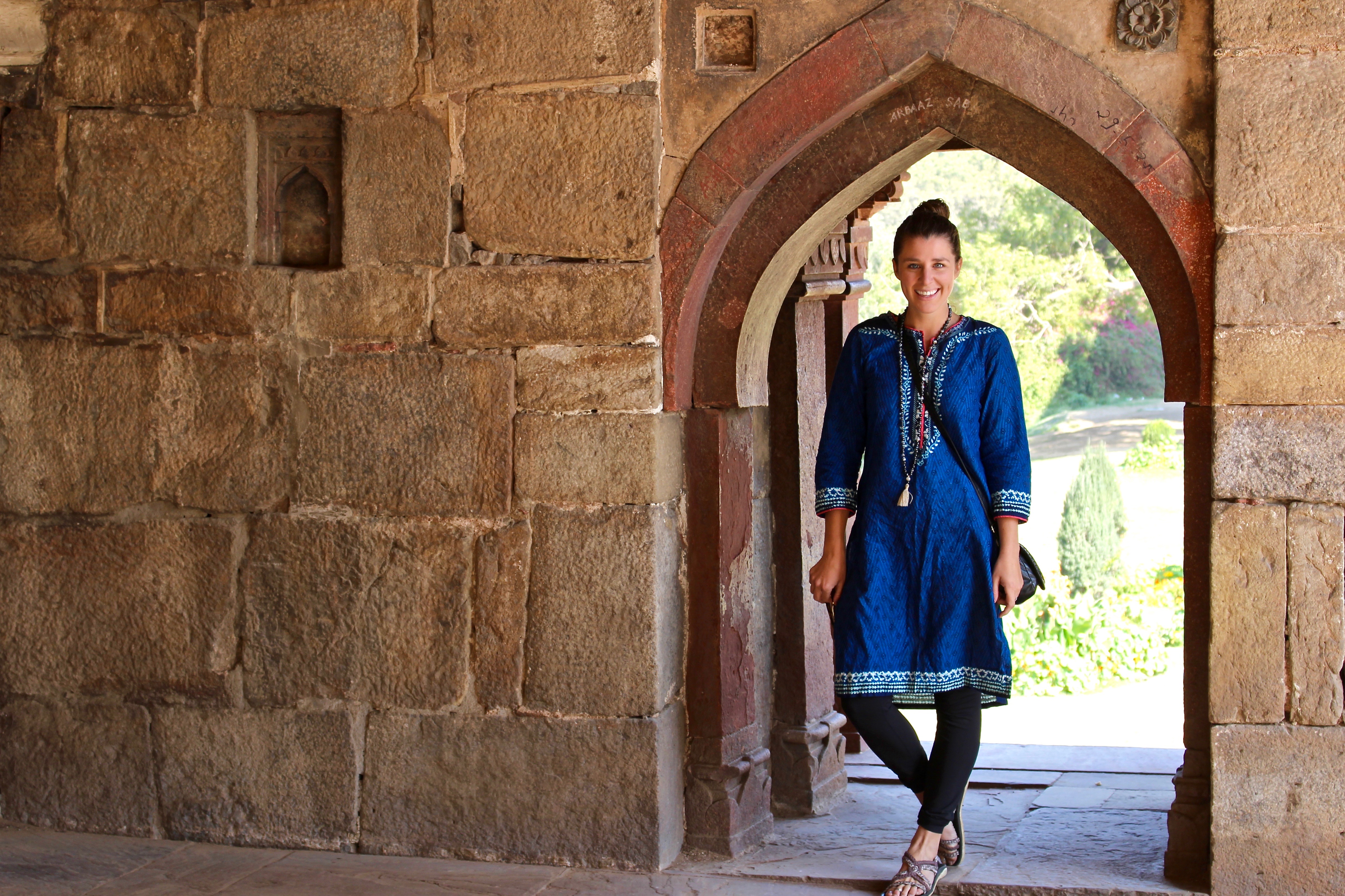
There are certain landscapes that are iconic in the collective human consciousness. These are the places we’ve heard about again and again throughout our lives that are revered for there mystic allure, spiritual power, and sheer beauty.
From the Great Barrier Reef to Mt. Kilimanjaro, there’s a certain pull that these places hold over us. We dream of one day putting our feet on those sacred grounds or diving into the depths to explore what’s below the surface of the blue waters cherished by so many people around the world.
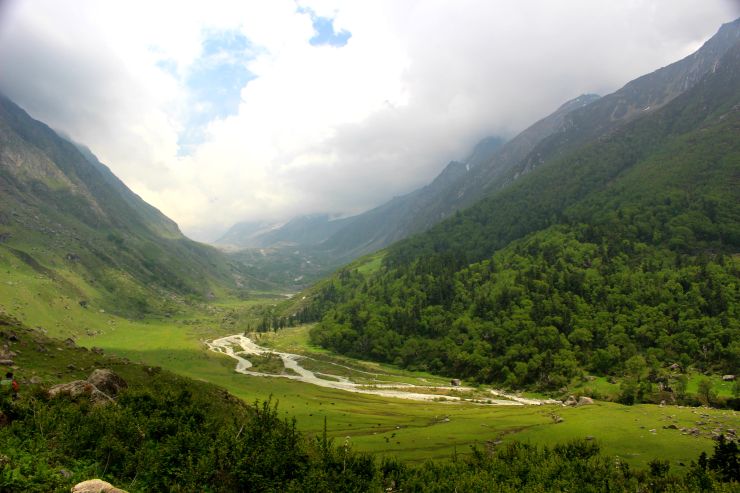
A couple weeks ago, I was lucky enough to follow that pull to the spectacular and utterly beautiful peaks of the Himalayas. With Ben in tow for a two-week visit, we backpacked over 70 kms on a trek to the Har Ki Doon Valley, or “Valley of the Gods,” in the north Indian state of Uttarakhand.
Note: You may remember in one of my last blog posts, I reflected on the need to embrace the dirty details of your experiences and share them openly. Though I have plenty of details, both good and bad, from our trip that I could share (from running through the airport in order to make it on our flight to the awe inspiring views to the grueling 11 hour drive it took to actually reach our base camp), this post will glaze over a lot of those details in order to focus in on a few key thoughts and experiences I want to highlight. I actually wrote an entire blog post with a detailed account of the whole journey but trust me – this one is way better.
Also note: Take me out for a beer the next time you see me and I will tell you all the details you can handle!
Beyond microbrewery beer, those who know me well know I have a deep passion for hiking and backpacking, both known collectively as trekking in India. Almost all of my experiences with hiking and backpacking though have been with friends and family in small groups of 5 or less, with the exception of some childhood church camp ventures.
Between being in a foreign country and all the logistical challenges associated with that, I decided it would be best to go with a trekking company which meant transportation, camping equipment, and food was taken care of for us. This also meant that we were undertaking this adventure with 15 other people, all Indian nationals, who for the most part had never backpacked before in their lives.
Ben and I were both nervous about this, especially being seasoned backpackers ourselves, but we set out with open hearts and positive attitudes.
The people we traveled with were all incredible in their own ways and looking back now, we couldn’t have asked for a better group of people to have by our sides. We laughed and talked and played games, all of which made our experience in the Himalayas even richer. Not only did we get to inhale the crisp air of the beautiful mountains and drink freely from crisp streams, but we got to connect deeply with people from all over India and be witness to their first experience with wilderness.
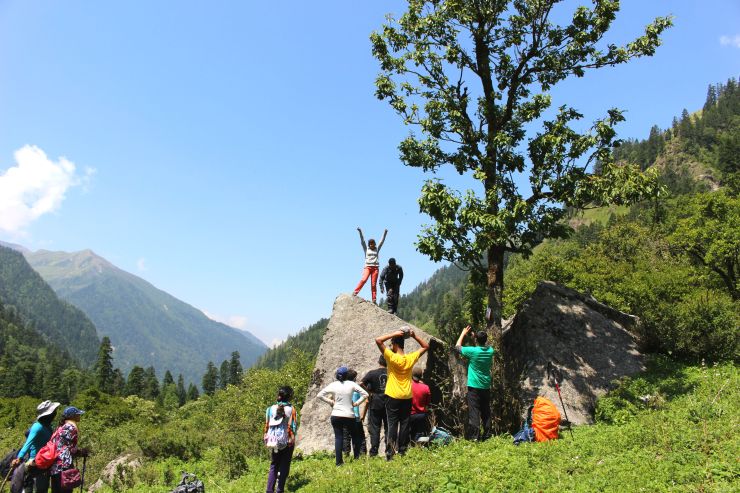
Wilderness, as we found out, looks a lot different in the Himalayas than what we have grown accustomed to in the USA. From California to Colorado, we have been privileged to dwell in many pristine wilderness areas, sometimes not even seeing a single person over an entire backpacking trip.
Because the Himalayas have been home to humans for roughly 3,500 years, you could hardly go a kilometer without running into a person who actually called this ‘wilderness area’ home. With incredible hillside villages made almost entirely of wood and stone, as well as little shops to serve trekkers along the trail, this kind of wilderness was completely foreign to us and it rocked our knowledge of backpacking. Could this possibly be considered backpacking if you could get hot tea and noodles prepared for you along the way? Surely not, we thought. Of course, our perspective changed the further we walked.
The so-called ‘foothills’ of the Himalayas are mountains in their own right, but after 3 days of hiking, we arrived in the Har Ki Doon Valley and got to witness with our own eyes the iconic peaks whose reputations and prestige had lured us here. Sitting at the base of these peaks was humbling as we took in the sheer vastness and prominence of the mountains. While I surely felt humbled, I also felt a pull to go closer, to climb higher.

We were to supposed to observe a day of rest on the 4th day in the Har Ki Doon Valley, but for 7 of the 17 trekkers, the nearby Jaundhar Glacier, who had itself carved out the Valley of the Gods, called us to forego rest for a closer – and higher – view.
Our trek leaders had been talking up the difficulty of the journey to the glacier for days by this point: 14 km one way over unforgiving and possibly dangerous moraine area; no group had ever actually reached the glacier; an up hill hike both ways. All joking aside, it really seemed like they didn’t want anyone to go. They repeatedly touted how there wouldn’t be snow or anything picturesque: just rocks and dirty looking ice. One trekker asked about the forecast for the next day and our leader replied, with a sly smile, “First it will be windy, then it will drizzle, then it will pour.”
Even though it felt like he was trying to discourage us from attempting it, 7 trekkers and 3 staff dedicated themselves to the journey, Ben and I amongst them.

Being the determined and ambitious person I am (my loving family would more likely say single-minded to a fault), I had calculated that in order to reach the glacier, we just needed to maintain a pace of about 3 kilometers an hour. This is an easy pace over flat land, but the terrain here was far from flat. With this in mind, I set what some of the others still refer to as a “breakneck” pace for the group right from the start and rested only when the guides insisted. By the end of the first hour, our trek leader excitedly approached the group and said, “I think we will actually make it to the glacier!” This only lit my fire further.
With the faith of our leader behind us, we became the 1st of his groups to reach the glacier. We climbed up and down steep rocky outcroppings and across newly fallen rock fields, we laughed and sweated, we identified flowers, and all of us eventually fell victim to some form of altitude sickness – but we had done it. Our guides were even so determined for us to be able to say we had ‘touched the glacier’ that one went down and physically kicked a piece of the glacier off, caught it, and carried it back up to us on his head. Talk about dramatic flare!


We spent the evening recovery from our hard-won achievement, but the next day, it was time to start back down the trail. Though we had been tent camping throughout our trek, the 5th night brought something new.
Sporadically along the trail, small villages would appear seemingly out of no where. These were the villages I noted earlier constructed almost entirely of wood and stone, a reflection of the natural resources readily available around them. Though the locals we had encountered on the trail gave us small glimpses at life in these towns, we were lucky enough to be taken in by one of our guides, hosting us at his own home in the village of Osla.
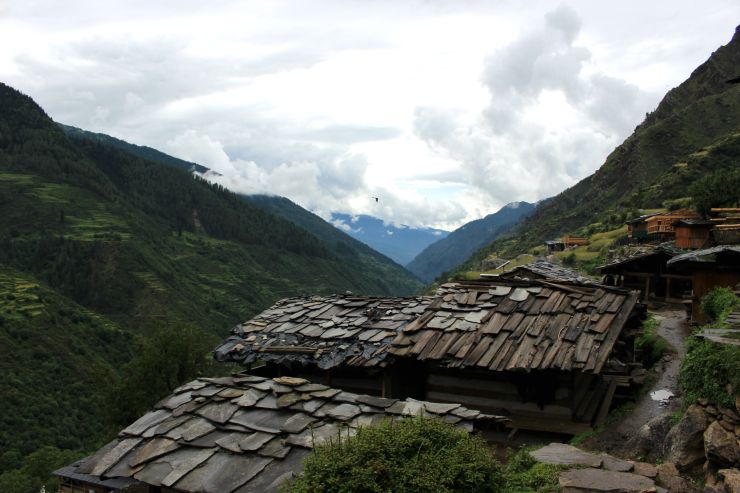

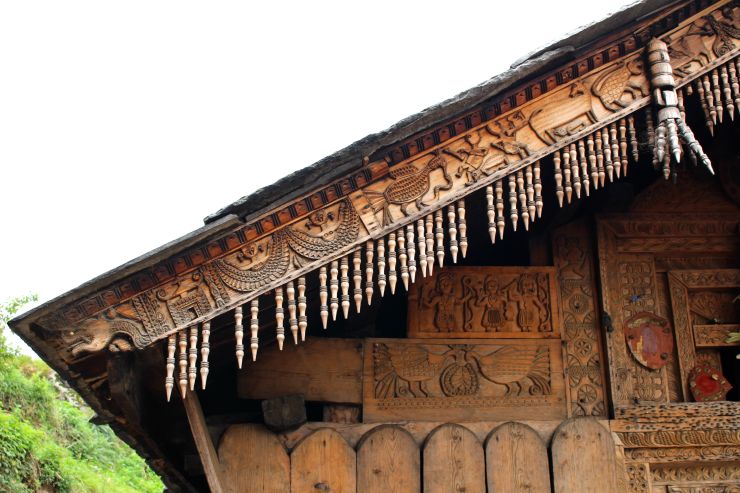
Life in Osla looked a lot different up close than it looked from afar. There were things that were simply breathtaking – the amount of stone that they had used to construct the city or how ornately carved wood decorated every home – but there were also some things that were disturbing – the stark absence of women from public gathering places and the immense volume of litter from packaged, processed foods that strewn the streets, hillsides, and waterways alike all around the village.
Staying in Osla was both a blessing and a burden. I felt blessed to be welcomed into our guide’s home, for a delicious hot meal, and for getting to observe a different piece of the human experience so vastly different from my own. Simultaneously, I felt acutely the impact of my own culture on their physical environment and I’ve carried a slight sense of responsibility with me for it ever since I left.
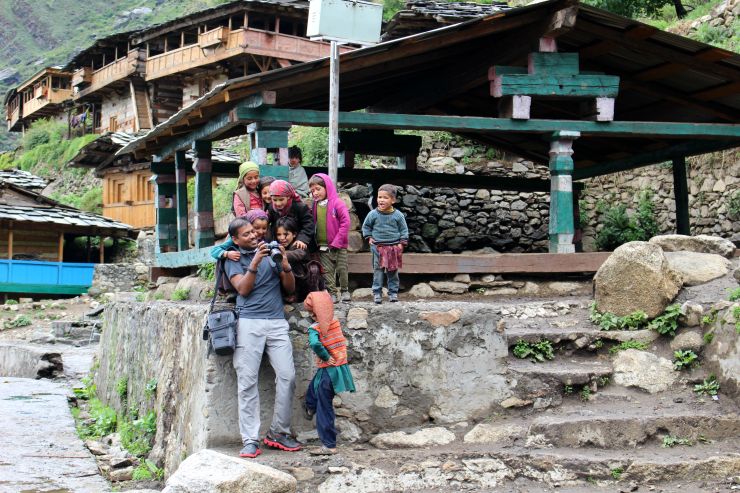
Looking back, the problem with trash and other visible pressures on the environment were not exclusive to Osla. You could hardly walk 20 steps on the trail without seeing a candy wrapper or empty chip bag. Was it the western world’s fault? Should the blame fall to the trekkers whose presence likely made some of these products popular in the area? Is it simply a local problem that would’ve manifested even without the presence of trekkers?
These questions consumed a lot of my time as we walked back to our base camp and during the drive toward the city. I turned them over and over in my mind, thinking through causes and possible solutions to the problems we had seen, but at the end of the day, the answers are simply unknowable (at least without an intense research study). However, the questions were reminders for me of why I chose to come to India in the first place.
While my research here in India is focused on the issues surrounding humans and the environment with sustainable access to clean drinking water, the problem with waste management in the Himalayas was a surprising but needed reminder of my purpose here. I came in pursuit of solutions. Not for the same kind of problems that marred the beautiful landscape we trekked through, but still for solutions, nonetheless. Problems like waste management, access to safe drinking water, and the effects of climate change can be seen in even the most remote locations around the world. The omnipresence of these problems highlights the need to find sustainable solutions to the world’s BFPs (or big ‘effing’ problems) of which there are many. Just as landscapes like the Himalayas call to something inside us as humans, these problems call to something inside me and incite a drive to pursue solutions.
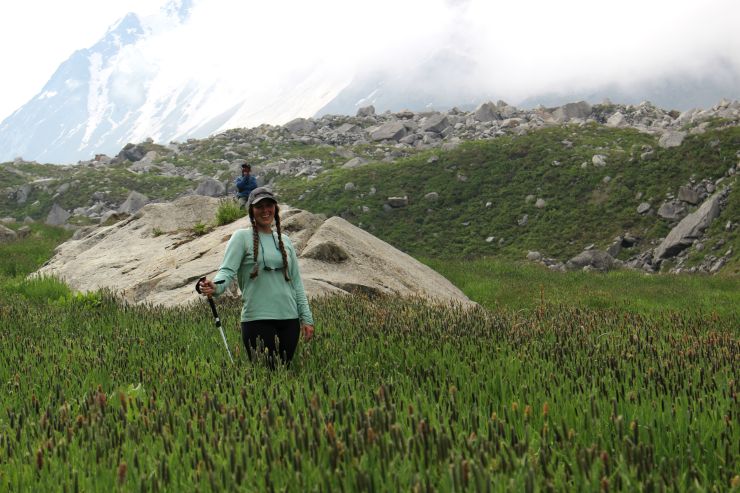
But I also came in pursuit of adventure – and, man oh man, was this a beautiful one. Better yet – this adventure built foundations from which we can pursue adventure and our callings with even more conviction. The connections we made with our fellow trekkers were more than just superficial. We gave away small pieces of ourselves in each skill, story, and dream we shared. I got to witness a love for the outdoors and backpacking grow in each of my companions and grow deeper within me. We inspired one another to new callings from sharing our own passions. Most of all, we left each other with the promise of adventures to come still hanging in the air.
As we all returned to our perspective homes, I still could not help but think back to the environmental issues I encounter on the trek. Many people ask why I pursue creating change in the world so tenaciously – especially considering how hard it is to accomplish and sustain real change. Though I did not expect to find such a profound connection back to my calling while exploring the Himalayas, it made my time there even more important to me. I will cherish it in my memory as an epic adventure, but it now also serves as a reminder of the power of people.
Humans are collectively responsible for the BFPs that are happening all around the world, but we can also collectively be vessels for change. People often ask why I pursue creating change in the world so tenaciously – especially considering how hard it is to accomplish and sustain real change. The answer is I believe in the power of the individual. Through acting individually to build the future we want, we take collective steps toward a better tomorrow.
Yes – I am small, I am in a foreign place, and I can only do so much by myself. But just as all the people on the trek helped to create an unforgettable experience through their individual contributions, so can we all take what is small and transform it into something big and impactful.
From the Himalayas to California to Ontario, humanity is a powerful force for transformation when we choose to act. My trek was a reminder to choose to act whenever and wherever I can, but also to help others see their innate power to create change.. The BFPs of the world don’t stand a chance when we choose action.
You are powerful, but WE are more powerful.
I can’t wait to see the ways build a better world together.
Namaste.
-Dani
 dani lindamood
Hi Dani, I love your thoughtful prose about the BFPs and possible solutions. I am glad you are thinking along these lines. You inspire me with your willingness to prepare and engage. Go girl! We are with you! (But go safely, okay?) I’m so glad Ben was able to enjoy this trek with you. That is a wonderful blessing for both of you.
Products we use often provide lovely if temporary (and sometimes illusory) benefits to our lives, but also produce big challenges. Thinking through the issues requires people exactly like you who are preparing through education and experience to seek solutions. It also requires a willingness from the rest of us to understand the problems and respond unselfishly on behalf of our mother the earth. If we help her, I think she will look after the generations yet to come.
I so look forward to your return to Waterloo this fall, and to hearing much more about your adventures and thoughts of human response. We love you and are SO proud to know you.
Carman Thompson
LikeLike
Thank you so much for your reflection Carman. I agree completely, but especially with the transient benefits to single-use / processed products as well as the need for the general public to be willing to engage. This is why it’s so important that people raise their voices up with friends, family, and strangers to help them understand why their efforts are meaningful.
Absolutely looking forward to the time we’ll spend catching up and discussing back in KW! 🙂 Sending love to you and Joan and gaining strength from your pride ❤
LikeLike
Thanks Dani for taking us on this trip with you even if it was only through your thoughtful reflections. The scenery and the people looked beautiful and it looked like you and Ben really enjoyed your time together. Thank you for your passion for our world, you make me a proud momma. You remind me of the importance of stewardship for the beautiful world we have been blessed to be a part of. May your work in India continue to go well…but hurry home. We miss you!
xxoox
LikeLike
Always gaining inspiration from the ways you’ve cultivated my passions and capacities, and forever grateful that you never let me see any limits in my life to what I can impact or pursue. You’re the best Mama that a soul like me could ask for. I love you and can’t wait to see you soon! Only 35 days now 🙂
LikeLike