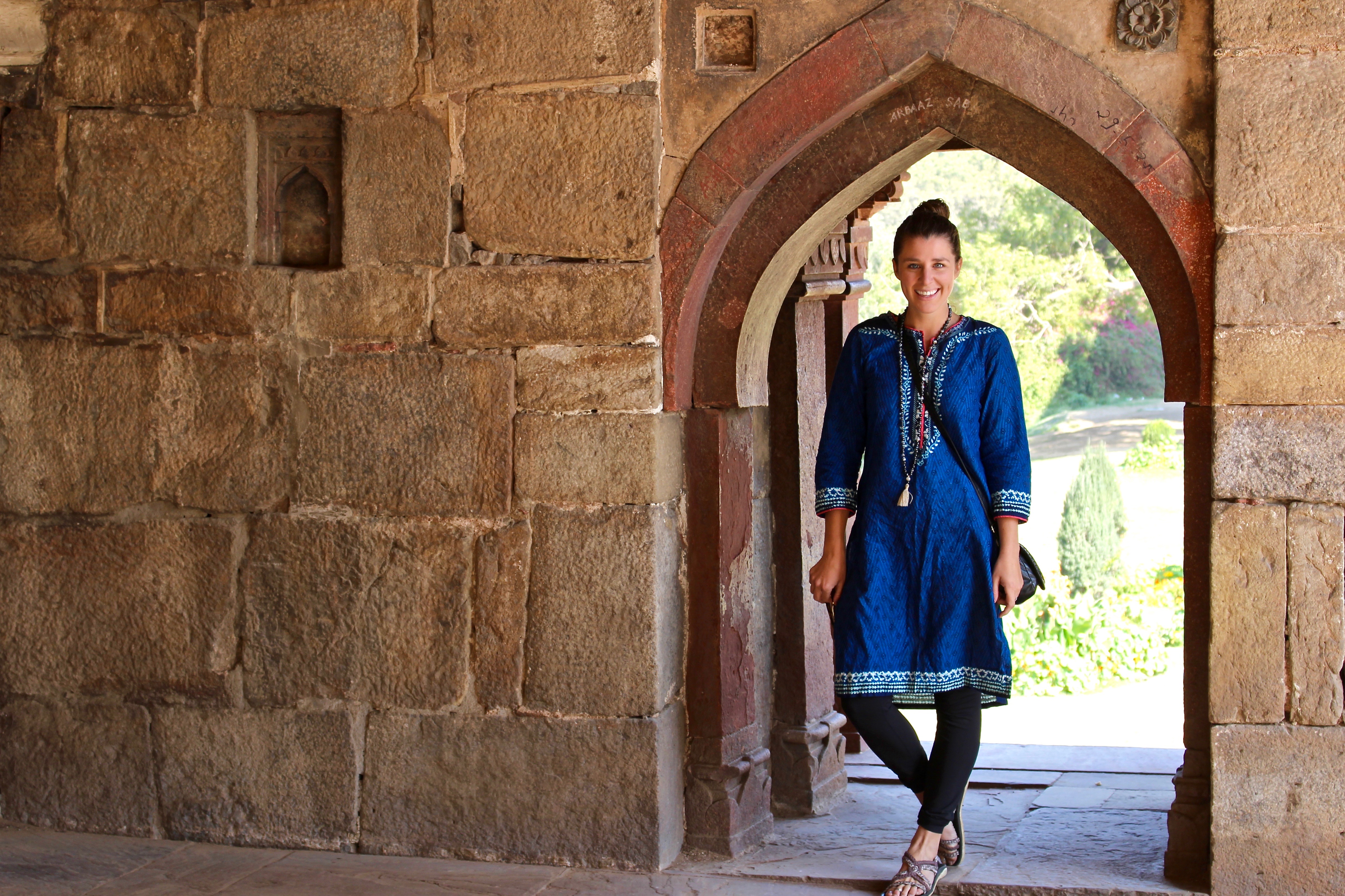
Friends, colleagues, and strangers alike tried to ingrain messages into me as I prepared for my time in India. Some things were as harmless as, “ALL the food will be SO spicy,” but ranged to more concerning notions like, “How will you survive the heat?” and, “Only bring really conservative clothing or else your physical safety may be compromised.”
Something I’ve learned since I’ve arrived – no, not all the food is spicy.
Does it matter that not all food is spicy? No, not really, but stereotypes often times pervade our consciousness without us even being aware. This may lead us at times to make judgments about the people around us before we even exchange a single word. These seemingly harmless thoughts, like, “I bet he’s really smart,” or, “I bet she’s a terrible driver,” don’t allow us to see people for who they are as individuals. We confine them into boxes before we even truly know them.
In being acutely aware of all the messages being thrown at me about India, I tried to let the noises of the stereotypes and others’ experiences fade into the background in order to let my experience speak for itself – seeking to create my own narrative for my adventure.
If my time in India has proved anything to me thus far, it is that ‘Indian’ does not mean one thing. The diversity in this country is utterly astounding, as experienced through the many cultures, languages, cuisines, physical appearances, and temperaments of those around me.
The richness of life in India can be seen in many ways. Looking to the human experience, weddings differ drastically depending on the region you’re in and food items – like dahl for instance – will look significantly different depending on who is doing the cooking. And the languages! There are SO many. Locally to the state of Karnataka (where I am), Kannada is the most commonly spoken dialect, but from my roommates to my colleagues to my friends, everyone’s local dialects are different. The physical characteristics of Indians vary even more so than the languages, which overtly challenges the visions many may conjure in their minds of India.
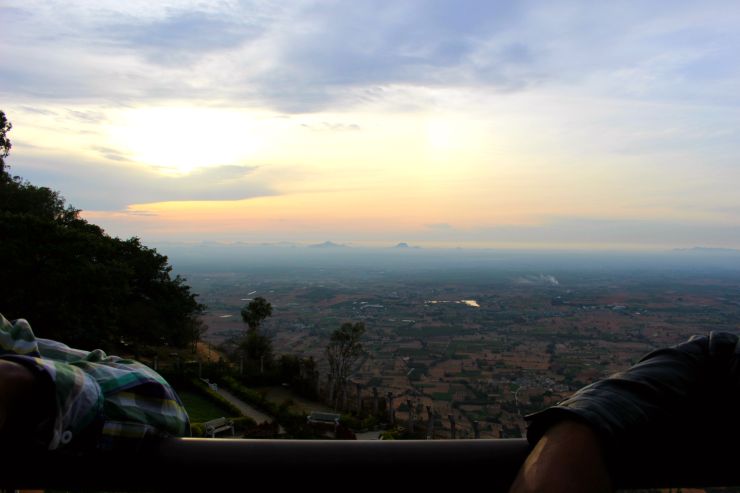
Just as humanity in India represents a diverse gamut, the natural landscapes offer breath-taking variances as well. From flat, dry plains to white sand beaches to prolific peaks, the geography of India proceeds and parallels the observations I’ve made of those who call India home.
Letting India and its people speak for itself has brought an inordinate amount of beauty into my life. With the kindness of friends, the laughter of children, and the passion of academics researching complex and meaningful problems, I have been washed over – time and time again – by the intense waters of reality. In allowing my experience to be more than the constructed narrative of the messages the world throws at us, my life has been expressly enriched. I’m thankful for each person and place that has broadened my vision of India and helped me to see my judgments for what they are.
Stereotypes are not just a product of the western consciousness, though. In an interesting turn of events, my determination to let go of stereotypes has been challenged as people try to put me into the box of ‘being an American.’
- At the wedding I attended, in the collective consciousness of those around me, I was predetermined to be a meat-eater.
- In a taxi, I am cast as someone who doesn’t know how much a ride into the city should cost.
- In the streets, I am artfully surveyed under watchful eyes as someone who is lucky and has an easy life.
At every event, in every taxi ride, and at each turn I take, I try my best to forgive the snap judgments and opt to let my actions create a new narrative for those around me – one that is utterly representative of me, as I am.
- In sharing my reasons for being a vegetarian, I help people to understand a piece of me through my lifestyle choice.
- In the taxis, I make casual conversation and try to learn some Kannada whenever possible (and I also try to carry exact change).
- In the streets, I smile at people so they know they are simply looking at another human being who wants to connect.
As these little voices pop into our heads, trying to tell us who others are around us or what to expect from an experience, we can recognize they’re there. In recognizing them, we can challenge them. In challenging them, we can overcome them. In overcoming them, we can allow authenticity to lead in our lives, instead of the messages that try to categorize and confine the beautiful diversity of the world.
So, remember: no, not all the food is spicy. Don’t let anyone tell you otherwise.
Namaste.
-Dani
 dani lindamood